

Get Race-Ready: Using a Ride Height Gauge
Whether you're a seasoned RC car enthusiast or just starting your racing journey, proper setup is crucial for competitive performance. One of the most important aspects of RC car setup is achieving the correct ride height. A ride height gauge is an essential tool that helps you dial in your vehicle's suspension geometry for optimal handling, speed, and stability on the track.
Why Ride Height Matters for RC Cars
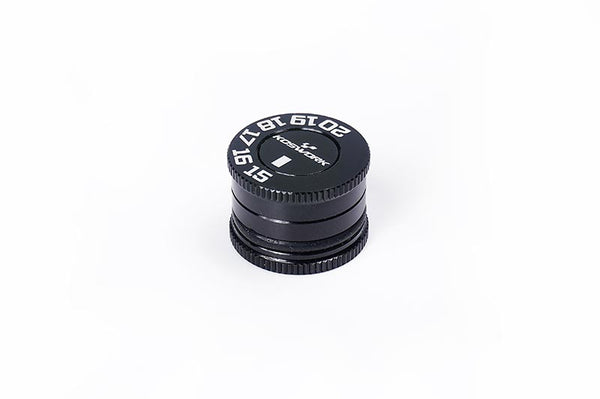
Ride height is the distance between your RC car's chassis and the ground. It directly affects how your vehicle handles corners, accelerates, and brakes. When ride height is set too high, your car may experience excessive body roll and instability. Too low, and you risk bottoming out on jumps or bumps, losing traction and control. Using an RC car ride height gauge setup ensures consistent measurements that match your specific track conditions and driving style.
Understanding Your Ride Height Gauge
A quality ride height gauge provides precise measurements in millimeters, allowing you to set both front and rear heights independently. The gauge typically features a flat base that sits on the ground and a measuring rod that extends upward to contact your chassis. This straightforward design makes it easy to achieve accurate, repeatable measurements every time you set up your vehicle.
Step-by-Step Setup Process
Begin by placing your RC car on a flat, level surface. Position the ride height gauge at the designated measurement point—usually near the front or rear suspension arm. Gently lower the measuring rod until it just touches your chassis without applying pressure. Record this measurement and repeat on the opposite end of the vehicle. For most off-road RC cars, front ride height typically ranges from 10-15mm, while rear height sits between 12-17mm, but always consult your vehicle's manual for specific recommendations.
Pro Tips for Optimal Performance
Consistency is key when using an RC car ride height gauge setup. Always measure on level ground and take your measurements before and after races to ensure your setup hasn't shifted. If you're adjusting ride height, make small changes—typically 1-2mm at a time—and test your car's handling after each adjustment. Different track surfaces may require different ride heights; a softer track might call for slightly lower heights to maintain traction, while a harder track may benefit from increased height to prevent bottoming out.
Fine-Tuning for Your Racing Style
Every driver and track is unique. Using a precise ride height gauge allows you to experiment and find the sweet spot for your specific needs. Lower ride heights typically increase cornering grip and top speed but reduce ground clearance. Higher settings provide better stability over bumps and jumps. Keep detailed notes of your measurements and how your car performed—this data becomes invaluable when you return to familiar tracks.
Invest in Quality Setup Tools
Don't overlook the importance of investing in a reliable ride height gauge. Quality tools from nickhobbies.com ensure accurate measurements that directly translate to better on-track performance. Combined with other setup tools like camber gauges and ride height adjustment components, you'll have everything needed to dial in the perfect vehicle setup.
Ready to take your RC car racing to the next level? Visit nickhobbies.com to explore our complete collection of setup tools and accessories. We ship worldwide from Taiwan, delivering quality equipment right to your door. Get your RC car ride height gauge setup perfect and dominate the track!