

Understanding RC Car Droop Gauge Tuning
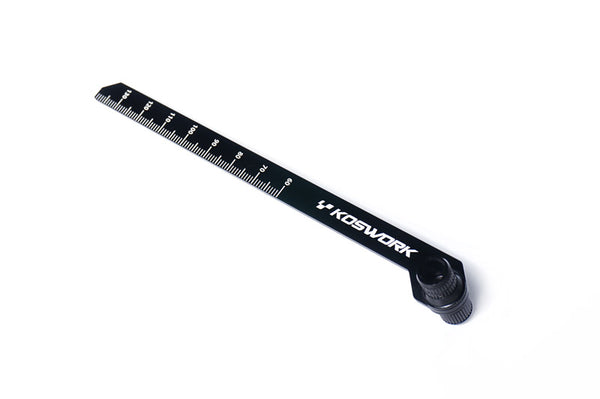
RC car suspension tuning is an art that separates casual drivers from competitive racers. One of the most important tools in your setup arsenal is the droop gauge. A droop gauge measures the distance your suspension travels downward when the vehicle is lifted, which directly impacts your car's handling characteristics and overall performance on the track. Understanding how to use an RC car droop gauge tuning technique can dramatically improve your vehicle's stability, cornering speed, and responsiveness.
What is Droop and Why Does It Matter?
Droop refers to the maximum distance your suspension can extend downward from its neutral position. It's measured in millimeters and is a critical suspension parameter that affects how your RC car's tires maintain contact with the track surface. Proper droop settings ensure that your wheels stay in constant contact with the ground during acceleration, cornering, and braking. Too much droop can cause unpredictable handling, while too little droop restricts suspension travel and reduces traction. Using a droop gauge for RC car tuning helps you find the sweet spot that matches your driving style and track conditions.
How to Measure Droop Correctly
To measure droop accurately, start by placing your RC car on a flat, level surface. Position the droop gauge so it sits perpendicular to your suspension arms. Gently lift the car vertically by the chassis, allowing the suspension to extend fully under its own weight. The gauge will measure the distance traveled. Record measurements at each corner of your vehicle. Most RC cars benefit from droop settings between 2-4mm, though this varies based on your specific model and track type. Make sure your gauge is calibrated correctly before each measurement session for consistent results.
Adjusting Droop for Different Driving Conditions
Droop gauge tuning isn't one-size-fits-all. On carpet tracks with high grip, you might reduce droop to 2-2.5mm for more responsive handling. On low-grip asphalt or concrete surfaces, increasing droop to 3-4mm allows better wheel contact during high-speed cornering. Weather conditions also matter—damp conditions often require slightly more droop for stability, while dry conditions can handle tighter setups. Keep detailed notes of your measurements and how they perform to develop a baseline setup for future races.
Fine-Tuning Your Setup for Better Performance
RC car droop gauge tuning is just one part of a comprehensive suspension setup, but it's foundational. Start by achieving your target droop measurements, then test drive and evaluate how your car handles. If you experience understeer, consider slightly increasing droop. If the car feels twitchy or unstable, decreasing droop might help. Always adjust one variable at a time and test thoroughly before making additional changes. Quality setup tools like precision droop gauges make this process more accurate and repeatable.
Mastering droop gauge tuning will transform your RC car's performance and give you the competitive edge you need. Ready to dial in your suspension setup? Explore our complete collection of setup tools at nickhobbies.com and find everything you need for precise RC car tuning.