

Understanding RC Car Droop Gauge Tuning
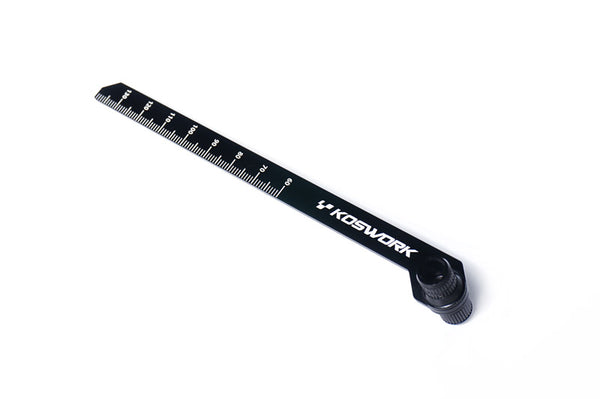
Proper suspension setup is crucial for RC car performance, and one of the most overlooked aspects is droop measurement. An RC car droop gauge is an essential tool that helps you measure how far your suspension compresses when the vehicle is lifted off the ground. This measurement directly impacts your car's handling characteristics, traction, and overall performance on the track. Understanding how to use a droop gauge correctly will dramatically improve your tuning capabilities and help you achieve better lap times.
What is Droop and Why Does It Matter?
Droop refers to the amount of suspension travel that occurs before your tire makes contact with the ground when the car is at rest. This measurement is taken from the fully extended suspension position to the ride height. Proper droop ensures that your suspension has enough travel to handle bumps and maintain tire contact throughout the course. Too much droop can cause your car to sit too low, reducing suspension travel, while too little droop can result in a harsh ride and poor traction. Using an RC car droop gauge allows you to dial in the perfect amount for your specific track conditions and driving style.
How to Measure Droop Correctly
To properly measure droop using your gauge, first remove the RC car from the ground and allow the suspension to fully extend. Position your droop gauge vertically against the wheel rim or tire, measuring from the rim to the chassis. The gauge will show you the exact distance of droop. Most RC cars require between 10-15mm of droop, though this can vary depending on your vehicle type and track conditions. Make sure to measure all four corners of your car to ensure consistent setup. Record your measurements so you can make adjustments systematically and track what works best for your driving conditions.
Fine-Tuning Your Suspension Setup
Once you've established your baseline droop measurements with your RC car droop gauge, you can begin fine-tuning. If your car feels unstable or has poor traction, try increasing droop slightly by adjusting your suspension mounts. Conversely, if your car feels too soft or bounces excessively, reduce droop by moving suspension components closer together. The key to successful RC car droop gauge tuning is making small adjustments—typically 1-2mm at a time—and testing the results on the track. Keep detailed notes of your settings and performance to build a reference library for future sessions.
Common Droop Tuning Mistakes to Avoid
Many RC enthusiasts make mistakes when using their droop gauge. Avoid measuring droop with the car sitting on the ground, as this won't give accurate readings. Never measure just one corner and assume the others are correct; consistency across all four wheels is essential. Additionally, don't neglect to check your droop after suspension component replacements or major adjustments. Rushing through measurements or failing to use your droop gauge consistently can lead to inconsistent handling and frustration on the track. Take your time with measurements and always double-check before making tuning changes.
Optimize Your RC Car Performance Today
Mastering RC car droop gauge tuning is an investment in your racing performance. Whether you're a beginner learning suspension basics or an experienced racer fine-tuning for competitive advantage, proper droop measurement is fundamental. Visit nickhobbies.com to explore our complete selection of setup tools and suspension components. Our team ships worldwide from Taiwan, offering quality products to help you achieve your best performance. Browse our Setup Tools collection and start optimizing your RC car suspension setup today!