

Why Use a Vacuum Pump for RC Car Tire Gluing?
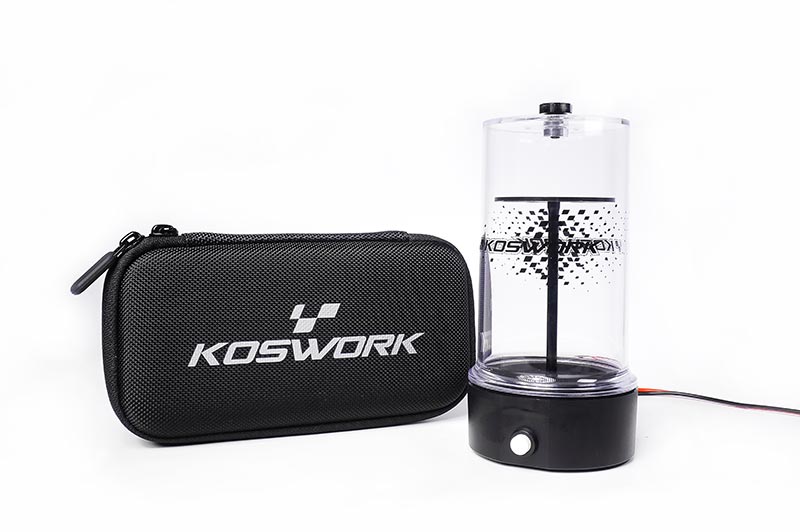
Getting your RC car tires perfectly glued to the rims is one of the most critical steps in tire preparation. A vacuum pump removes air from between the tire and rim, ensuring a secure bond that prevents tire slippage during high-speed runs. Without proper gluing, your tires may separate mid-race, ruining your performance. An RC car vacuum pump tire gluing system creates an airtight seal that professional racers trust for consistent results on the track.
Preparing Your Tires and Rims
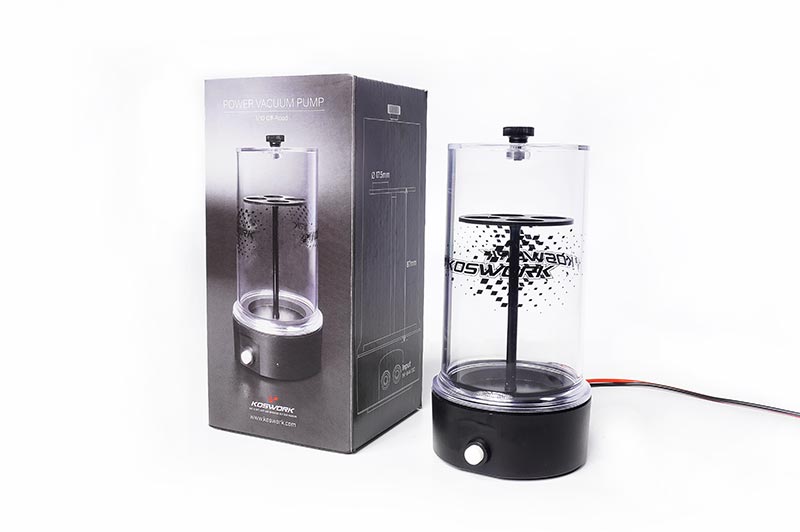
Before using your vacuum pump, preparation is essential. Start by cleaning both the tire inner surface and the rim thoroughly with a dry cloth to remove any dust or debris. Inspect your tires for damage or deformities that might prevent proper sealing. Apply an even layer of tire glue around the rim, ensuring complete coverage without excessive amounts. The cleaner your surfaces, the more effective your RC car vacuum pump will be at creating a perfect seal during the gluing process.
Step-by-Step Vacuum Pump Operation
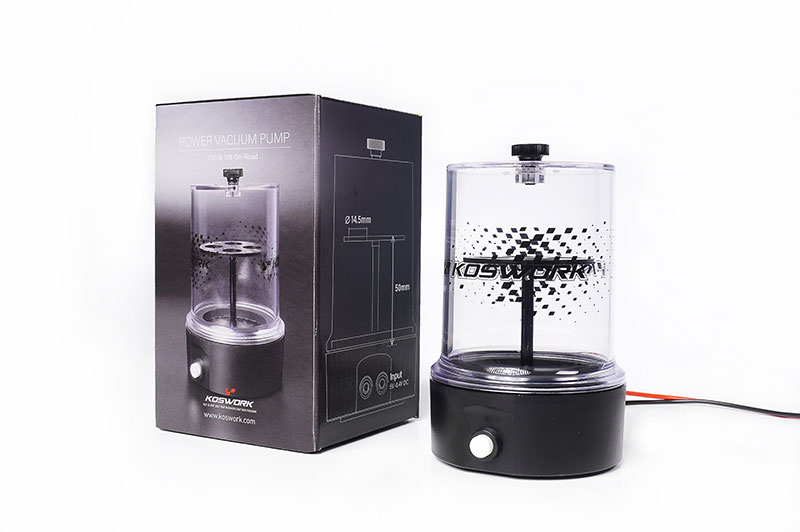
Position your glued tire onto the rim and immediately attach your RC car vacuum pump. Most vacuum pumps feature a simple hand-pump mechanism or electric operation. Begin pumping to create negative pressure inside the tire chamber, drawing the tire tightly onto the rim. Pump steadily for 2-3 minutes until you feel significant resistance—this indicates a strong vacuum seal has formed. For best results with RC car vacuum pump tire gluing, maintain consistent pressure and avoid sudden movements that might disturb the freshly applied glue.
Securing and Curing the Bond
Once you've achieved a strong vacuum, keep the pump attached for an additional 10-15 minutes to allow the glue to set properly. This waiting period is crucial for a permanent bond. Some advanced vacuum pump systems feature a valve that holds pressure automatically, freeing your hands. After the curing time, carefully release the vacuum by slowly opening the release valve. Check the tire's adhesion by gently attempting to rotate it on the rim—it should be completely immobile. Allow the glue to fully cure for 24 hours before using your RC car on the track.
Common Mistakes to Avoid
Many RC enthusiasts make the mistake of over-gluing, which creates messy overflow and weak bonds. Use just enough glue to cover the rim evenly. Never pump too aggressively, as this can damage seals or cause glue to squeeze out prematurely. Additionally, avoid releasing vacuum too quickly, as this can break the seal before the glue sets. Patience is key when using an RC car vacuum pump for tire gluing—rushing the process compromises the quality of your bond and tire performance.
Maintenance and Storage
Keep your vacuum pump clean by wiping it down after each use. Store it in a dry location away from extreme temperatures. Check rubber seals periodically for cracks or wear, as damaged seals reduce pumping efficiency. Proper maintenance ensures your RC car vacuum pump tire gluing equipment remains reliable for years of use.
Ready to master tire gluing? Explore our complete collection of Setup Tools at nickhobbies.com and find the perfect vacuum pump system for your RC car needs. We ship worldwide from Taiwan with fast, reliable service!